
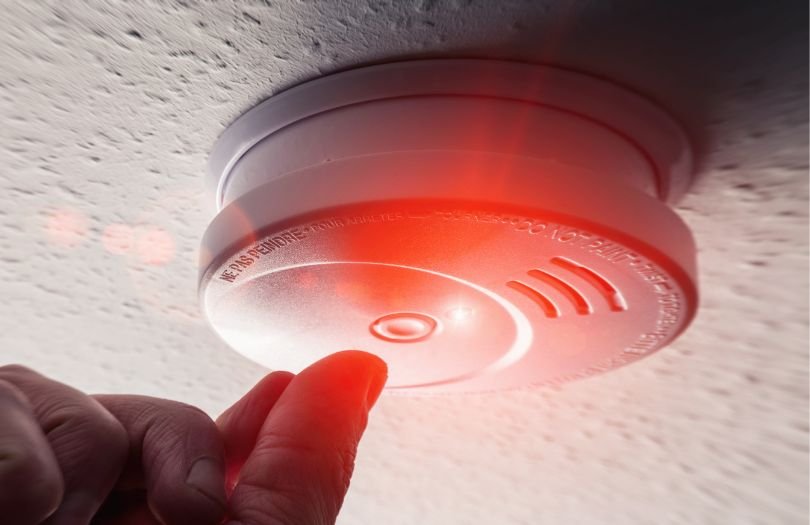

Fire safety in the capital is governed by strict legal frameworks that demand precise system design and regular maintenance. To meet these rigorous standards, partnering with a certified fire alarm company london ensures your premises remain safe and legally compliant with the latest British Standards. Selecting a specialist with local experience is crucial for navigating the unique architectural challenges of the city’s commercial buildings.
Navigating the Regulatory Reform Fire Safety
In London, the responsibility for fire safety falls on the “Responsible Person” within any business or non-domestic premises. This individual must ensure that a thorough fire risk assessment is conducted and that appropriate detection systems are in place. Failure to comply with the Regulatory Reform (Fire Safety) Order 2005 can result in severe penalties or the forced closure of the business.


Technological Advancements in Fire Detection Systems
Modern commercial properties often require addressable fire alarm systems that pinpoint the exact location of a triggered device. This technology is particularly valuable for large office complexes in the City or sprawling retail spaces in the West End. By identifying the specific room or floor where smoke is detected, addressable systems allow for faster evacuation and more efficient emergency service response.
Wireless technology has also become a preferred solution for London’s listed buildings and heritage sites where cabling is difficult to install. These systems offer the same reliability as wired alternatives but with significantly less disruption to the building’s fabric. Maintenance experts from anchor-fire.co.uk frequently recommend these “radio” systems for high-end boutiques and historic structures requiring a discreet security footprint.
Essential Components of a Fire Safety Maintenance Plan
Consistent testing is the only way to guarantee that a life-safety system will function during a real emergency. British Standards recommend that fire alarms undergo a professional inspection at least every six months to check battery health and sensor sensitivity. Neglecting these checks can lead to false alarms, which are a major drain on London Fire Brigade resources and can result in significant fines.
Effective maintenance involves more than just checking smoke detectors and call points throughout the facility. A comprehensive service plan includes the following technical verifications:
- Verification of the standby power supply and backup battery capacity.
- Testing of the communication link to the Alarm Receiving Centre (ARC).
- Inspection of all cable fixings and connections for signs of wear or damage.
- Cleaning of optical sensors to prevent dust-related false triggers.
- Assessment of the audibility levels of sounders in all areas of the building.
Strategic Integration with Emergency Lighting and Security
A fire alarm should not operate in isolation but rather as part of a wider life-safety ecosystem. Integration with emergency lighting ensures that escape routes are illuminated the moment an alarm is triggered, even if the primary power fails. Furthermore, high-quality systems are designed to automatically release electronic door locks to prevent bottlenecks during a rapid evacuation.
Professional installers also provide remote monitoring services that alert the emergency services even when the building is unoccupied. This 24/7 surveillance is essential for warehouses and office buildings that remain empty overnight or during weekends. By ensuring that the Fire Brigade is notified instantly, businesses can drastically reduce the potential for total property loss.
Najczęściej zadawane pytania (FAQ)
What is the difference between a Grade A and a Grade D fire alarm system?
Grade A systems are complex installations with a central control panel and secondary power supply, typical for larger commercial buildings. Grade D systems consist of mains-powered smoke alarms with a battery backup, usually found in smaller HMOs or domestic settings.
How often should I test my business fire alarm call points?
Business owners are legally required to carry out a weekly test of at least one manual call point to ensure the system is operational. These tests must be recorded in a fire safety logbook and should be performed at a consistent time each week to notify staff.
Can a fire alarm company london help with false alarm reduction?
Yes, specialists can analyze the causes of frequent false triggers and suggest technological upgrades or changes in detector placement. Solutions often include switching to multi-sensor detectors that distinguish between steam, dust, and actual smoke.
Is fire alarm monitoring mandatory for London businesses?
While not strictly mandatory for all, monitoring is highly recommended for businesses with high-value stock or those in high-risk sectors. It is often a requirement from insurance providers to validate a property insurance policy and ensure a rapid professional response.