

Pulsamento is a word that carries the idea of rhythm, vibration, and life flowing through movement. Whether it appears in music, art, emotion, nature, or technology, pulsamento represents the continuous pulse that drives systems forward. It is the unseen beat behind creativity, the energetic flow in physical motion, and the subtle vibration that connects human experience with the surrounding world.
Across cultures and disciplines, the concept of pulsamento can be found in many forms: the heartbeat of music, the rhythm of breathing, the cycles of nature, and even the dynamic flow of digital communication. At its core, pulsamento expresses the pattern of energy moving through time.


Understanding pulsamento reveals how rhythm influences everything—from creativity and human emotions to modern technology and design.
The Meaning and Essence of Pulsamento
The term pulsamento is rooted in the idea of a pulse. A pulse is not just a biological signal; it is a repeating rhythm that indicates vitality and motion.
When discussing pulsamento, the concept expands beyond a simple beat. It represents:
- Rhythmic movement
- Energy cycles
- Emotional intensity
- Creative flow
- Natural vibrations
Every living system relies on pulsation. The heart pumps blood through pulsation. Breathing follows a rhythmic expansion and contraction. Even the planet itself has pulsating cycles through seasons, tides, and environmental patterns.
Pulsamento therefore becomes a universal language of movement and life.
Pulsamento in Music and Sound
Music is one of the most recognizable expressions of pulsamento. Every piece of music depends on rhythm to guide listeners through melody and harmony.
Without pulsamento, music would feel scattered and directionless.
Musicians often rely on internal pulsamento to maintain timing and emotional intensity. It is the invisible clock inside the performance that keeps all elements aligned.
In musical contexts, pulsamento appears through:
Beat Structure
The fundamental rhythm that allows listeners to follow the song.
Dynamic Energy
The rise and fall of intensity within musical passages.
Emotional Timing
Moments when silence, tension, or acceleration creates feeling.
Group Synchronization
When multiple musicians connect through shared rhythm.
A skilled performer does more than follow a beat. They interpret pulsamento, shaping it to influence the audience’s emotional response.
Pulsamento in the Human Body
Human biology is deeply connected to pulsamento. The body constantly produces rhythms that sustain life and maintain balance.
Some of the most important biological rhythms include:
Heartbeat
The heart produces a measurable pulsation that circulates blood and oxygen. This physical pulsamento reflects the body’s health and energy.
Breathing Rhythm
Inhalation and exhalation form a continuous pattern. This breathing pulsamento regulates stress, focus, and physical endurance.
Neural Activity
The brain communicates through electrical signals that operate in rhythmic waves.
Sleep Cycles
Circadian rhythms guide sleep, alertness, and energy levels throughout the day.
These biological pulsations demonstrate that pulsamento is not just symbolic—it is deeply physiological.
When these rhythms fall out of balance, the body experiences stress or illness. Restoring natural pulsamento often becomes a path toward healing.
Emotional Pulsamento and Human Experience
Emotions also move in rhythms. Joy rises and falls. Excitement builds and releases. Calmness expands and contracts.
This emotional pulsamento shapes how people experience the world.
For example:
- Anticipation increases emotional intensity.
- Release brings relief or satisfaction.
- Reflection slows internal rhythms.
Artists, writers, filmmakers, and speakers often use emotional pulsamento to guide audiences through powerful experiences.
A dramatic story, for example, may follow a pulsating pattern:
- Calm introduction
- Rising tension
- Climactic moment
- Emotional resolution
This rhythm mirrors the natural pulsamento of human feeling.
Pulsamento in Nature
Nature operates through countless pulsating systems.
These rhythms can be subtle or dramatic, but they all reflect patterns of expansion and contraction.
Examples include:
Ocean Tides
The oceans move in rhythmic waves influenced by gravity and planetary motion.
Seasonal Cycles
Spring growth, summer energy, autumn transition, and winter rest create a yearly pulsamento for ecosystems.
Plant Growth
Plants expand toward sunlight during growth phases and slow down during dormancy.
Weather Patterns
Storm systems, winds, and temperature shifts often follow rhythmic patterns.
Nature rarely moves randomly. Instead, it flows through predictable pulses that sustain balance.
Understanding this natural pulsamento helps people align with environmental cycles, agriculture, and ecological sustainability.
Pulsamento in Creativity and Artistic Expression
Creative work often depends on rhythmic energy. Artists experience phases of inspiration, intense creation, and reflective rest.
This cycle represents a form of creative pulsamento.
During periods of high pulsamento:
- Ideas flow rapidly.
- Motivation increases.
- Creative risk-taking becomes easier.
During slower phases:
- Reflection deepens understanding.
- Projects are refined.
- New inspiration begins forming.
Rather than forcing constant productivity, many creators learn to respect their natural pulsamento.
This approach often leads to more authentic and powerful artistic outcomes.
Pulsamento in Technology and Digital Systems
Modern technology also operates through pulsating patterns.
Digital communication relies on signals that travel in pulses across networks and devices.
Examples include:
Data Transmission
Information travels through electrical or optical pulses in communication systems.
Processor Cycles
Computer processors operate through rapid clock pulses that coordinate operations.
Network Traffic
Online activity rises and falls in predictable waves.
Interactive Design
Many digital interfaces use visual pulsation to guide attention, such as notifications or animated signals.
Technology, therefore, mirrors the natural principle of pulsamento. Even highly complex systems rely on structured rhythmic activity.
Cultural Interpretations of Pulsamento
Different cultures interpret pulsation and rhythm in unique ways.
Many traditions view pulsamento as a connection between human life and universal energy.
In music traditions around the world, rhythmic structures carry deep cultural meaning.
For example:
- African drumming emphasizes layered rhythmic pulsation.
- Latin musical styles highlight vibrant rhythmic flow.
- Classical traditions use tempo and phrasing to shape emotional movement.
Dance traditions also reflect pulsamento by translating rhythm into physical motion.
Movements often follow repeating patterns that align body, music, and environment.
Through culture, pulsamento becomes both artistic and spiritual.
The Psychological Power of Pulsamento
Rhythm strongly influences human psychology.
Consistent pulsation can affect mood, focus, and perception of time.
Research in cognitive science suggests that rhythmic patterns help the brain:
- Organize information
- Predict upcoming events
- Maintain concentration
- Synchronize with external environments
For example, steady rhythms can increase productivity during work or study.
Similarly, calming pulsations—such as gentle music or breathing exercises—can reduce stress and anxiety.
The brain naturally seeks rhythm. When pulsamento is present, mental processes often become more stable and efficient.
Pulsamento and Mindfulness
Mindfulness practices frequently emphasize rhythm and breathing.
Meditation techniques often guide individuals to focus on the pulsamento of breath.
By observing inhalation and exhalation, the mind gradually slows down and becomes more centered.
Many practices involve:
- Rhythmic breathing patterns
- Repeating mantras
- Gentle movement cycles
These practices help restore balance by reconnecting individuals with their natural pulsamento.
Instead of resisting internal rhythms, mindfulness teaches people to observe and align with them.
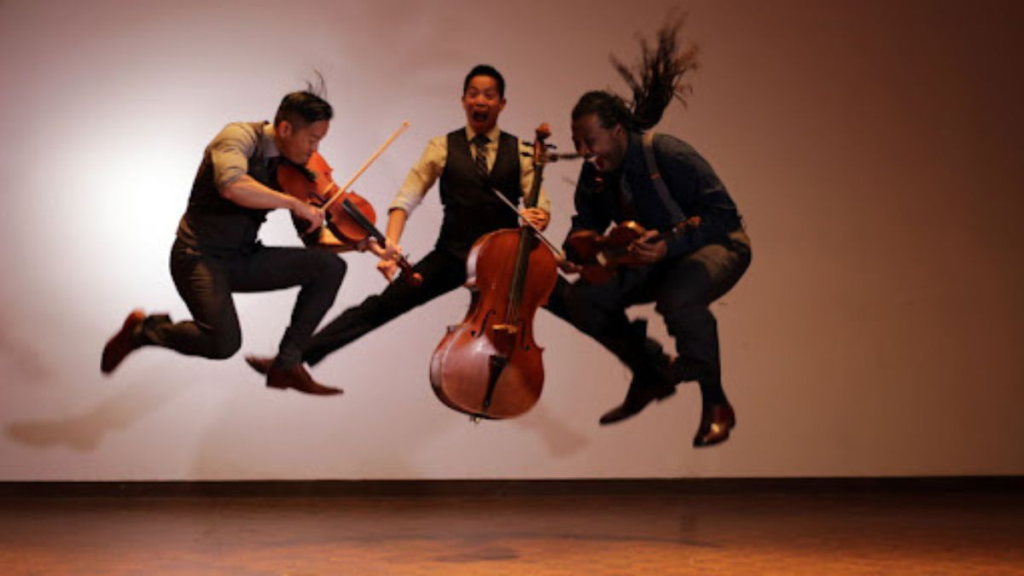
Pulsamento in Movement and Physical Performance
Athletes and performers rely heavily on rhythmic timing.
Whether in running, martial arts, dance, or team sports, maintaining pulsamento enhances performance.
For example:
Running
Runners maintain a steady stride rhythm that improves endurance.
Dance
Dancers translate musical pulsamento into precise movement.
Martial Arts
Fighters often control timing and rhythm to anticipate opponents.
Team Sports
Coordination between teammates often depends on shared rhythmic awareness.
The body performs best when motion aligns with internal and external pulsamento.
This alignment creates efficiency, balance, and fluid movement.
The Hidden Pulsamento of Daily Life
Many people overlook the rhythmic structures present in everyday life.
Yet daily routines often follow repeating cycles:
- Morning wakefulness
- Afternoon productivity
- Evening relaxation
- Nighttime recovery
Work patterns also reflect pulsamento:
- Periods of focus
- Breaks for recovery
- Creative bursts
- Reflective pauses
Ignoring these natural rhythms can lead to burnout.
Respecting personal pulsamento allows individuals to work with their energy instead of against it.
Why Pulsamento Matters
Understanding pulsamento offers valuable insights into many aspects of life.
It reveals how rhythm influences:
- Health
- Creativity
- Technology
- Emotion
- Nature
- Human interaction
Rather than being limited to one field, pulsamento acts as a unifying principle connecting multiple systems.
By recognizing rhythmic patterns, people can improve productivity, creativity, and well-being.
Embracing Pulsamento in Modern Life
Modern lifestyles often disrupt natural rhythms through constant digital activity and irregular schedules.
Reintroducing pulsamento into daily routines can restore balance.
Some effective approaches include:
Structured Work Cycles
Working in focused intervals followed by short breaks helps maintain mental rhythm.
Mindful Breathing
Simple breathing exercises restore internal pulsamento.
Physical Movement
Regular exercise aligns the body with natural movement cycles.
Creative Expression
Music, art, and writing reconnect individuals with rhythmic flow.
These practices help people rediscover the natural pulsamento that supports both productivity and well-being.
The Future of Pulsamento
As science and technology continue to evolve, the understanding of pulsamento is expanding.
Researchers increasingly recognize the importance of rhythmic patterns in fields such as:
- neuroscience
- human performance
- digital communication
- environmental science
New technologies are even being designed to respond to human pulsation, such as wearable devices that track heart rhythms and adaptive systems that respond to behavioral cycles.
The concept of pulsamento therefore continues to grow in relevance, bridging ancient understanding with modern innovation.
Final Reflection
Pulsamento is more than a rhythm or a pulse. It represents the living movement that connects systems across nature, technology, art, and human experience.
From the beating of the heart to the flow of music, from ocean tides to digital signals, pulsamento appears everywhere as a pattern of energy moving through time.
Recognizing this rhythm encourages a deeper awareness of how life unfolds—not as static moments, but as continuous waves of motion, expression, and renewal.