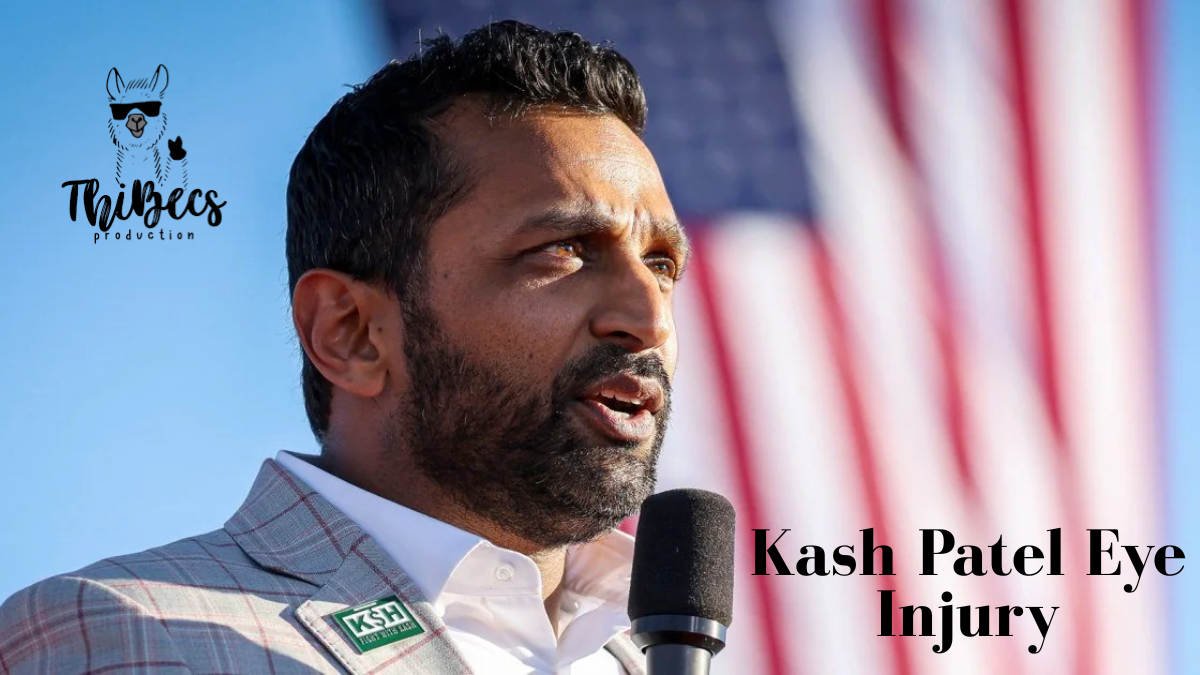

Public figures often find themselves at the center of intense public curiosity when any personal health issue becomes visible. When discussions about a Kash Patel eye injury began circulating online, it quickly became a topic of speculation, analysis, and debate across social media platforms, news discussions, and political commentary.
Kash Patel, known for his work in national security and government service, has been a recognizable name in American political circles for years. Because of his public profile, even minor physical changes or injuries can attract significant attention. The conversation around the Kash Patel eye injury illustrates how quickly information spreads in the digital age and how public figures become subjects of scrutiny far beyond their professional work.


Rather than focusing only on rumors or speculation, it is more useful to explore the broader context surrounding the discussion, including Patel’s public career, the circumstances that sparked the conversation, and why such topics tend to gain traction so quickly online.
The Public Profile of Kash Patel
To understand why discussions about a Kash Patel eye injury gained widespread attention, it helps to first look at who Kash Patel is and why his name carries weight in political and policy circles.
Kash Patel rose to prominence through roles in government and national security policy. Over the years, he has worked in several high-profile positions that placed him near the center of major political developments in the United States.
Some of the key highlights of his professional background include:
- Serving in national security and intelligence-related roles within the U.S. government.
- Working as a legal and policy advisor on issues related to defense and counterterrorism.
- Participating in congressional investigations and high-level policy discussions.
- Holding positions connected to the Department of Defense and intelligence community.
Because of these roles, Patel has frequently appeared in television interviews, public events, and political discussions. Visibility of that kind means that any noticeable physical change — including something like a Kash Patel eye injury — quickly becomes a topic of public conversation.
Public figures rarely get the privacy that ordinary individuals enjoy, especially when cameras, interviews, and public appearances are constant parts of their professional lives.
How the Kash Patel Eye Injury Became a Topic of Discussion
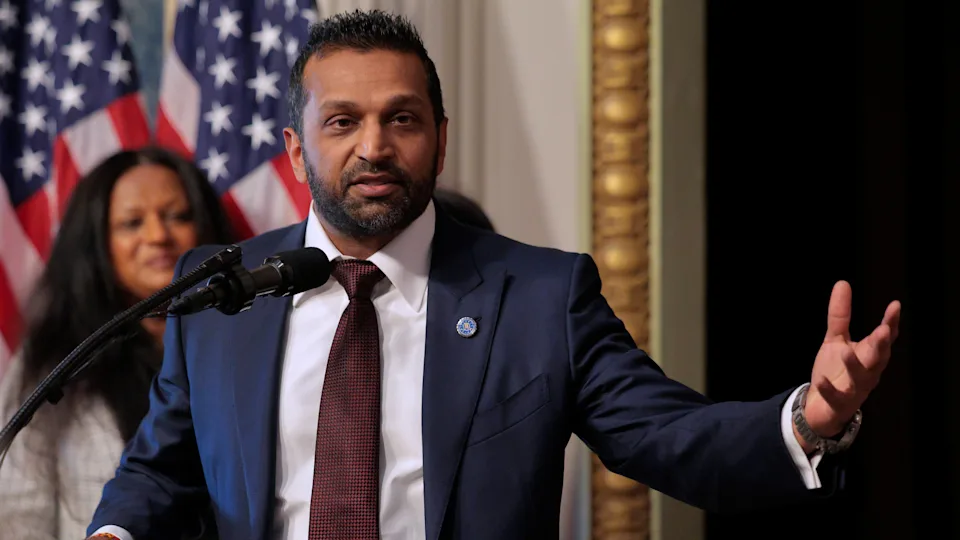
The conversation around a Kash Patel eye injury began largely through visual observations during interviews and appearances. Viewers noticed what appeared to be a difference or issue around one of his eyes, which sparked curiosity online.
In the age of social media, these observations can spread rapidly. A single screenshot or clip from a television appearance can lead to thousands of posts discussing possible explanations.
Several factors helped amplify the attention:
1. High Public Visibility
When a public figure frequently appears on television or in media interviews, small physical details are easier to notice. Viewers often pause, replay, and analyze footage.
2. Online Speculation
Platforms like X (formerly Twitter), Reddit, and other discussion forums quickly fill with speculation when something unusual is noticed.
3. Lack of Immediate Explanation
When there is no official explanation for a visible change, speculation often fills the gap. People attempt to guess possible causes, which leads to further discussion.
4. Political Interest
Because Kash Patel is associated with political and national security issues, any change in his appearance may be noticed by supporters, critics, journalists, and commentators alike.
The combination of these factors helped push the Kash Patel eye injury discussion into a widely searched topic online.
Possible Causes of Eye Injuries in Public Figures
While the exact details surrounding the Kash Patel eye injury have not been widely confirmed in official statements, it is helpful to understand the many ordinary ways eye injuries can occur.
Eye injuries are surprisingly common and can happen in everyday life. Many people experience similar issues at some point.
Some of the most common causes of eye injuries include:
Minor Accidents
Simple accidents such as bumping into objects, being struck by a small item, or falling can cause bruising or swelling around the eye.
Sports or Physical Activity
Activities like basketball, tennis, or other sports sometimes lead to accidental contact with the face or eye area.
Medical Conditions
Certain conditions can cause redness, swelling, or irritation that may resemble an injury.
Allergic Reactions
Allergies sometimes create noticeable swelling or discoloration around the eyes.
Eye Strain or Infections
Conditions like conjunctivitis or inflammation can temporarily change the appearance of the eye.
Because these situations are common, not every visible change necessarily indicates a serious injury. In many cases, such issues resolve quickly with simple treatment or rest.
Why the Public Pays Attention to Visible Injuries
The strong interest in the Kash Patel eye injury also reflects a broader pattern in how people respond to visible changes in well-known individuals.
Humans naturally notice facial features and expressions. The eyes in particular draw attention because they are one of the most expressive parts of the face.
There are several reasons visible injuries become widely discussed.
Facial Changes Are Highly Noticeable
The human brain is wired to recognize faces quickly. Even minor changes can stand out immediately.
Public Figures Are Constantly Observed
Politicians, commentators, and government officials appear in interviews, press conferences, and videos. This creates many opportunities for viewers to notice small differences.
Curiosity About Personal Health
People often wonder how health might affect the work or schedule of a public figure.
Viral Internet Culture
In today’s media environment, small observations can spread quickly through memes, clips, and commentary posts.
For these reasons, something like a Kash Patel eye injury can become a trending topic even when there is limited confirmed information available.
The Role of Social Media in Amplifying the Conversation
The internet has transformed the way news and rumors spread. Discussions about the Kash Patel eye injury demonstrate how quickly speculation can gain momentum online.
Social platforms encourage rapid sharing of content. When users notice something unusual in a video or photo, they often share it instantly.
A typical cycle looks like this:
- A video or image is posted online.
- Viewers notice a visible detail and comment on it.
- Others begin sharing theories or explanations.
- The topic trends in searches and discussions.
- Media outlets sometimes pick up the story.
Once a topic reaches that stage, it becomes part of a larger conversation that can last for days or weeks.
The Kash Patel eye injury discussion followed a similar pattern, showing how online curiosity can quickly turn into widespread attention.
Health Privacy and Public Figures
One of the interesting aspects of conversations like the Kash Patel eye injury discussion is the balance between public curiosity and personal privacy.
Even though public officials and commentators are well known, they still maintain a right to personal medical privacy.
Medical details are generally considered private information unless the individual chooses to share them publicly.
This means that in many cases:
- Officials may not comment on minor injuries.
- Health issues might remain private unless they affect official duties.
- Speculation may continue without confirmation.
Public figures often decide whether to address such topics based on how much attention the issue receives and whether clarification is necessary.
The Impact of Physical Appearance in Political Media
Television and digital media place significant emphasis on appearance. Because of this, changes in appearance — including something like a Kash Patel eye injury — often attract attention that might not exist in less visual forms of communication.
In televised interviews, viewers focus on several visual cues:
- Facial expressions
- Eye contact
- Body language
- Visible injuries or changes
These elements can influence how audiences perceive a speaker, even when the actual message remains the same.
For this reason, political commentators and public officials often receive media training about presentation, posture, and camera presence.
How Minor Injuries Become Major Online Topics
The rapid spread of discussions about the Kash Patel eye injury illustrates a larger cultural phenomenon. Minor issues sometimes become major topics simply because they are easy to observe and discuss.
Several characteristics make a topic more likely to trend:
Visual Evidence
Images and video clips make a story easier to share.
Recognizable Person
Well-known individuals attract attention.
Uncertainty
When the cause is unclear, people speculate.
Political Interest
Supporters and critics both engage in discussions.
These ingredients together can transform a small observation into a trending search topic.
Media Responsibility and Reporting
When stories like the Kash Patel eye injury begin circulating, journalists face the challenge of reporting responsibly while avoiding speculation.
Responsible coverage generally focuses on:
- Verified information
- Direct statements from the individual or representatives
- Avoiding unsupported rumors
- Providing context rather than speculation
Professional reporting often waits for confirmed details before presenting conclusions.
This approach helps prevent misinformation from spreading, which is especially important when discussions involve health or injuries.
The Human Side of Public Life
Behind every political figure or commentator is a person living an ordinary life outside public appearances. Conversations about the Kash Patel eye injury highlight how easily people forget this reality.
Public figures experience the same everyday situations as everyone else:
- Minor accidents
- Illness
- Fatigue
- Routine medical issues
However, because cameras and interviews capture their appearances regularly, even small issues can appear significant to observers.
Recognizing this human side helps maintain perspective when discussing such topics.
Lessons From the Kash Patel Eye Injury Discussion
The widespread attention surrounding the Kash Patel eye injury offers several interesting lessons about modern media and public perception.
Information spreads faster than ever.
Social media allows observations to travel globally within minutes.
Visual details drive curiosity.
Anything noticeable in a photo or video can become a point of discussion.
Speculation often fills gaps in information.
When there is no confirmed explanation, theories quickly appear.
Public figures face constant scrutiny.
Every appearance is analyzed in detail by viewers and commentators.
These dynamics shape the way stories develop in today’s information environment.
Looking Beyond the Headlines
While topics like the Kash Patel eye injury can generate curiosity, they also remind audiences to focus on broader issues rather than isolated observations.
Public figures are often involved in complex policy discussions, national security matters, and political debates that affect millions of people.
Compared to these larger issues, minor injuries or temporary physical changes are usually small parts of a much bigger picture.
Maintaining that perspective helps ensure that discussions remain balanced and meaningful.
Final Thoughts
The conversation around the Kash Patel eye injury demonstrates how quickly a small observation can become a widely discussed topic in the digital era. With constant media coverage and instant social sharing, even minor details can spark widespread curiosity.
Kash Patel’s prominent role in government and political commentary naturally draws attention to his public appearances. When viewers noticed a possible issue with his eye, the topic quickly spread through online discussions, speculation, and media coverage.