
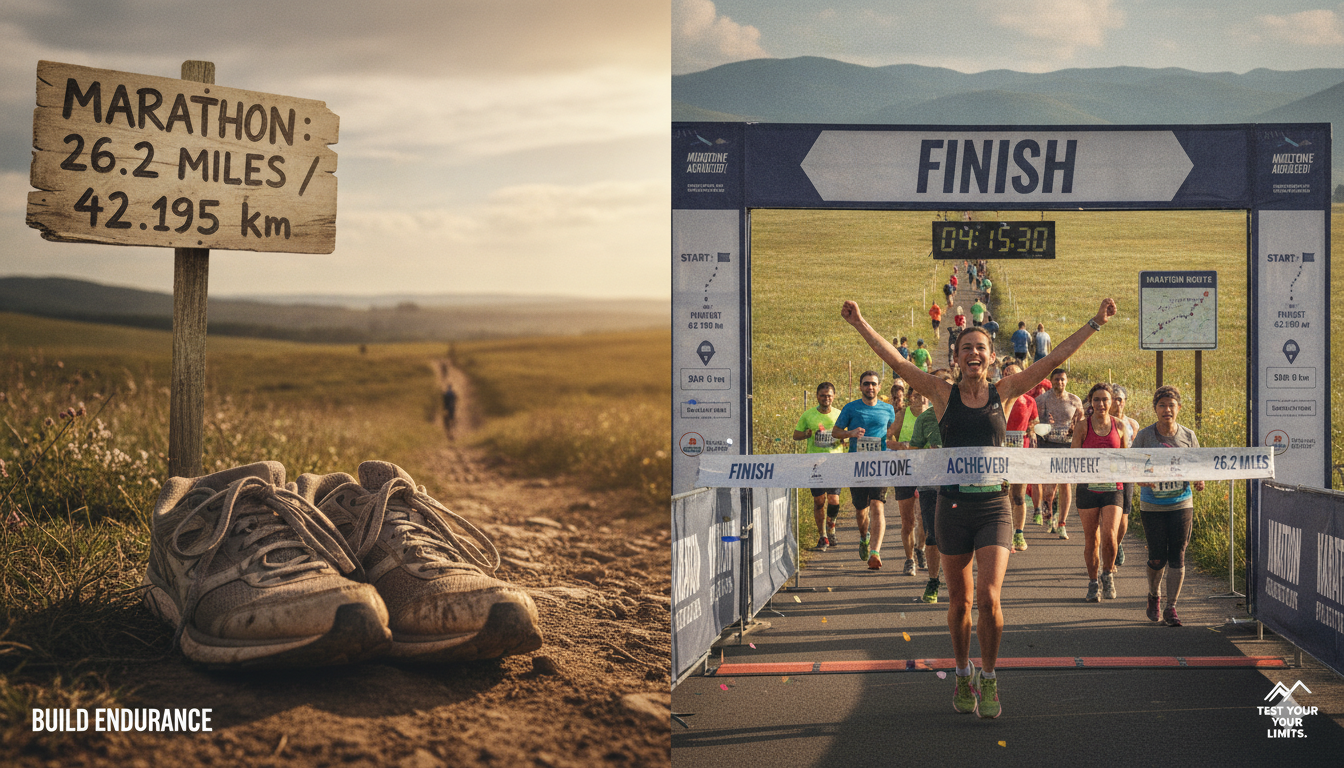

Are you ready to lace up your running shoes and conquer one of the ultimate human fitness challenges? If you want to know exactly How Long is a Marathon, you have come to the right place for clear answers. A standard marathon is officially 26.2 miles long, which is also exactly 42.195 kilometers. This epic distance represents a massive milestone for everyday runners who want to test their personal limits and build amazing physical endurance. Understanding this historic distance is the very first step toward cross-country success and crossing your first finish line with a huge smile.
The Exact Distance of a Marathon in Miles and Kilometers
When people ask how long is a marathon, they usually want the exact numbers to plan their daily workouts. To be perfectly precise, the official distance is 26.219 miles or 42.195 kilometers. Most race organizers and running clubs simply round this number down to 26.2 miles for everyday conversations. Knowing this exact measurement helps you set up your GPS running watch correctly so you do not stop running too early on the road. It also helps you mentally break down the long course into smaller, much friendlier chunks during your weekly training sessions.


The Surprising History Behind the 26.2 Mile Distance Rule
The specific distance of a marathon actually comes from a fascinating piece of royal history from over a century ago. In the year 1908, the Olympic Games were held in the city of London, England. The British Royal Family wanted the footrace to begin directly at Windsor Castle so the young royal children could watch the start. They also wanted the race to finish right in front of the Royal Box at the grand Olympic Stadium. This specific route happened to measure exactly 26.2 miles, and the world governing bodies decided to keep it forever.
Average Marathon Finish Times for Men and Women
Most everyday runners take between four and five hours to successfully complete the entire 26.2 mile journey. For men around the world, the average marathon finish time sits right around 4 hours and 20 minutes. For women, the global average finish time is approximately 4 hours and 45 minutes. Your personal time will depend heavily on your current fitness level, the local weather, and how flat the course is. Remember that finishing the race is a massive victory, no matter how many hours it takes you.
How Fast Do Elite Runners Finish a Marathon?
The fastest runners on Earth move at a speed that seems almost impossible to the average human being. Elite marathon athletes can complete the entire 26.2 mile course in just over two hours. The men’s world record is an astonishing 2 hours and 35 seconds, set by the late Kelvin Kiptum. The women’s world record is a mind-blowing 2 hours, 9 minutes, and 56 seconds, held by Ruth Chepngetich. These professional athletes train multiple times every day and run at a sprinting pace from start to finish.
Comparing Marathons to Half Marathons and Ultra Races
It helps to look at other popular running distances to truly understand how long is a marathon. A half marathon is exactly what it sounds like, measuring 13.1 miles or 21.1 kilometers. If you run anything longer than 26.2 miles, you are officially entering the wild world of ultra marathons. Common ultra distances include 50 kilometers, 50 miles, and even grueling 100-mile trail races through the mountains. Starting with shorter community races is a fantastic way to build up your leg strength over time.

A Complete Breakdown of Popular Running Race Distances
| Race Type | Distance in Miles | Distance in Kilometers | Average Finish Time |
| 5K Road Race | 3.1 Miles | 5 Kilometers | 30 to 40 Minutes |
| 10K Road Race | 6.2 Miles | 10 Kilometers | 60 to 70 Minutes |
| Half Marathon | 13.1 Miles | 21.1 Kilometers | 2 to 2.5 Hours |
| Full Marathon | 26.2 Miles | 42.2 Kilometers | 4 to 5 Hours |
| 50K Ultra Marathon | 31.1 Miles | 50 Kilometers | 5.5 to 7 Hours |
Why Training for a Marathon Takes Many Months
You cannot just wake up on a Sunday morning and safely run a full 26.2 mile race without preparation. A beginner runner usually needs four to six months of consistent weekly training to prepare their muscles and joints. Most training plans require you to run three to five times per week to build up your lungs. Your plan will include one special “long run” each weekend that gets a little longer every single week. This slow and steady approach protects your knees from painful injuries and builds incredible mental toughness.
Essential Gear You Need to Finish 26.2 Miles Comfortably
To survive a long endurance race, you must invest in high-quality running gear that fits your body perfectly. The most important items are comfortable running shoes that are broken in well before the big race day. You also need moisture-wicking socks made of synthetic fabrics to prevent painful skin blisters on your feet. Wearing lightweight clothing prevents painful chafing when your skin rubs together over hours of continuous movement. Do not forget to test all of your gear during your long weekend practice runs.
How to Stay Hydrated and Energized During the Race
Your body acts like a vehicle that needs high-quality fuel to travel the entire 26.2 mile distance. When considering how long is a marathon, you must plan how to eat and drink during the actual event. Runners use sweet energy gels and sports drinks to keep their muscles moving without cramping up. These products give your body fast-acting sugars that replace the energy you burn on the road. Drinking small sips of clean water at every single aid station keeps your body cool and hydrated.
The Mental Challenges of Running for Multiple Hours
Running a full marathon is a massive mental puzzle just as much as a physical test for your body. Many runners hit a metaphorical “wall” around mile 20 because their body runs completely out of stored energy. This is when your brain starts telling you to stop running and take a comfortable rest on the grass. You can defeat this mental trick by breaking the race down into small one-mile goals. Listening to upbeat music or talking to nearby runners can keep your mind happy and positive.
How to Recover Safely After Crossing the Finish Line
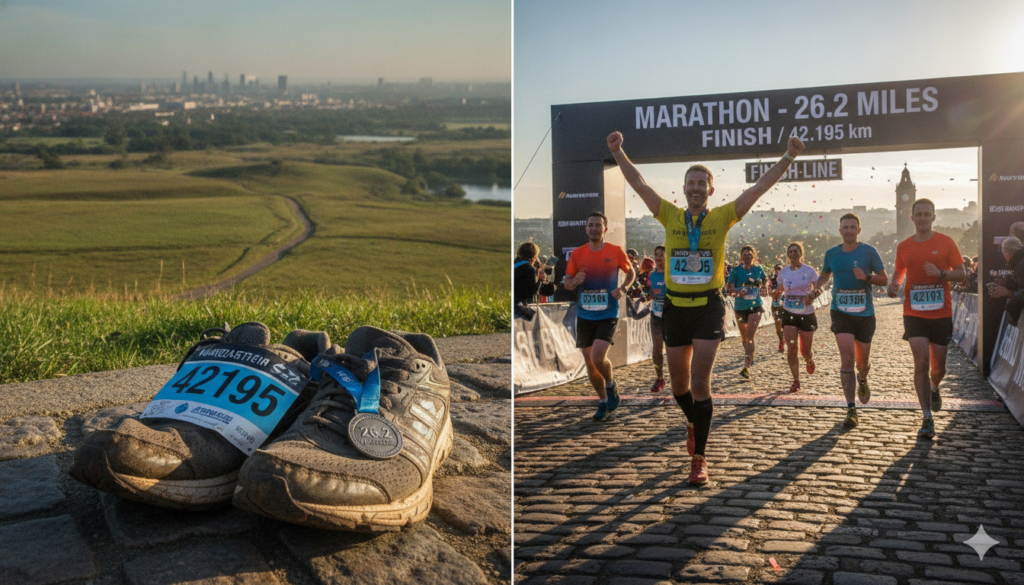
Once you cross that beautiful finish line, your body needs immediate care to start the healing process. You should keep walking slowly for at least ten minutes to let your heart rate drop safely. Wrap yourself in a warm foil blanket and drink a sports beverage to replace lost fluids right away. Eating a healthy meal with protein and carbohydrates within one hour helps repair your tired muscle tissues. Make sure to get plenty of sleep and celebrate your amazing achievement with your friends.
FAQs
How many steps does it take to complete a full marathon?
The average person takes between 30,000 and 50,000 total steps to complete a full 26.2 mile race. The exact number of steps depends on your height and how long your running stride is. Shorter runners take more steps, while taller runners cover more ground with each leap.
Can a person walk a full marathon instead of running?
Yes, you can absolutely walk a full marathon as long as you finish before the official course time limit. Most large city races give participants six to seven hours to reach the final finish line safely. Walking a marathon is a beautiful and highly respected achievement that requires great stamina.
What is the world record time for a marathon race?
The official men’s world record is 2 hours and 35 seconds, which was set by Kelvin Kiptum in 2023. The official women’s world record is 2 hours, 9 minutes, and 56 seconds, achieved by Ruth Chepngetich in 2024. These athletes run at speeds that most people cannot hold for a single mile.
Why is the marathon distance such a strange, uneven number?
The distance is uneven because the 1908 Olympic marathon course in London was altered for the British Royal Family. They lengthened the route so it could start at Windsor Castle and finish directly underneath the King’s viewing box. That exact historic route happened to measure precisely 26.2 miles.
What should I eat the night before my big marathon race?
You should eat a familiar meal that is rich in healthy carbohydrates, such as a simple plate of pasta or rice. Avoid eating spicy foods, heavy dairy items, or greasy meals that might upset your stomach the next morning. Stick to simple foods that your body knows how to digest easily.
How many miles a week should a beginner marathoner run?
A beginner runner should aim to log between 20 and 30 total miles per week during the early stages of training. This number will slowly peak around 35 to 40 miles per week during your hardest training month. Increasing your mileage too quickly can lead to shin splints or muscle tears.
Conclusion:
Now that you know exactly how long is a marathon, you have the core knowledge needed to start your own fitness journey. Covering 26.2 miles is an incredible challenge, but thousands of regular people just like you cross the finish line every year. All it takes is a positive attitude, a comfortable pair of sneakers, and a commitment to walking or running a few times each week. Find a local beginner’s training group in your neighborhood or sign up for a local 5K race to get your momentum going today! Have you ever thought about conquering this distance?