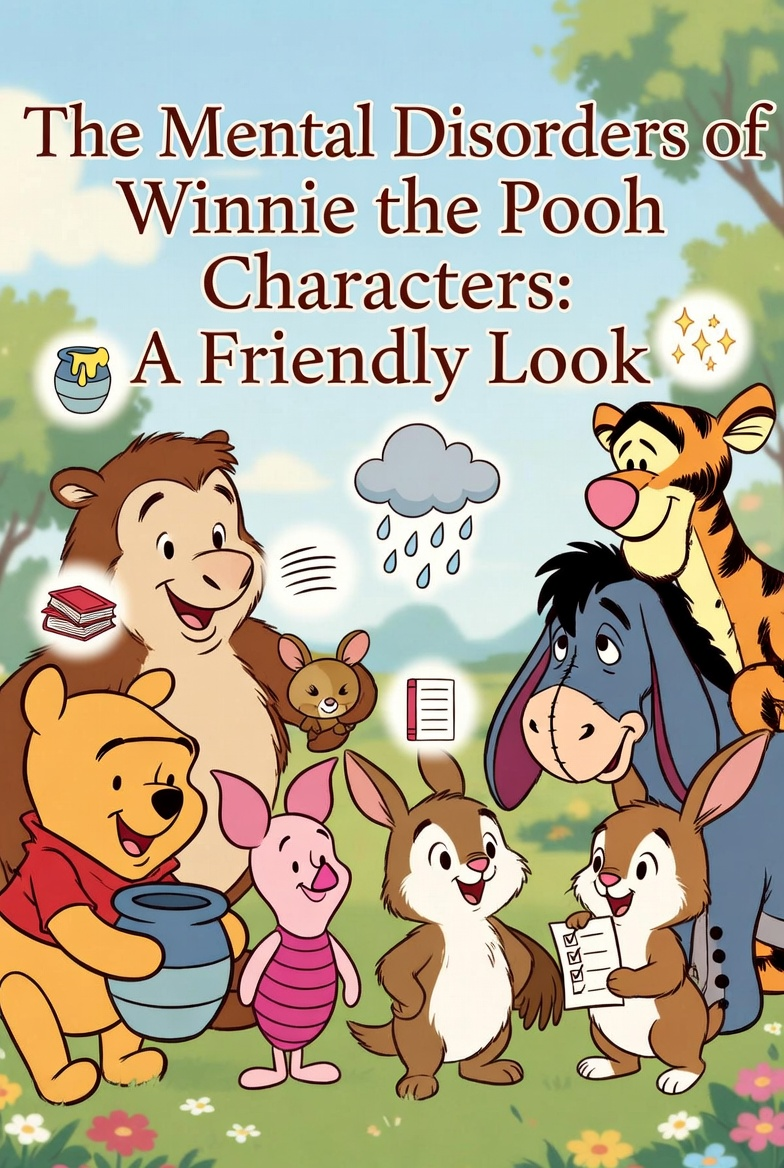

Have you ever wondered about the Hundred Acre Wood? Many people love these stories. They are sweet and full of heart. But some fans and experts have a funny idea. They think the characters show signs of different mental health issues. Is this true? Let’s take a kind look at “the mental disorders of winnie the pooh characters” to see what the talk is all about.
It is important to remember something first. These are just stories for fun. A.A. Milne did not write these friends to be sick. He wrote them to be kind and relatable. When we look at “The Mental Disorders of Winnie the Pooh Characters,” we are just using metaphors. It helps us talk about feelings and human behavior in a safe, soft way.


Understanding the Mental Disorders of Winnie the Pooh Characters
When we look at “the mental disorders of winnie the pooh characters,” we see how traits can look like real-world issues. For example, some people see Pooh as having trouble with focus. This is often linked to ADHD. He loves honey and can be quite forgetful. But is he sick? No, he is just a bear who loves his snacks and simple joys.
Is Piglet Really Suffering from Anxiety?
Piglet is a very small, very shy friend. In discussions about “the mental disorders of winnie the pooh characters,” people often point to him. They think his fear of new things looks like Generalized Anxiety Disorder. He worries a lot. He often feels scared of small changes. Yet, Piglet shows us that you can be brave even when you are nervous.
Eeyore and the Signs of Depression
Eeyore is perhaps the most famous example when discussing “the mental disorders of winnie the pooh characters.” His sad tone and low energy remind people of depression. He often expects the worst. He feels gloomy most of the time. But even with his blue moods, his friends never leave him out. They always show him love and support.
Tigger: A Case of Hyperactivity?
Tigger is full of life! He bounces everywhere he goes. Because he cannot stay still, some link him to ADHD or hyperactivity. When people analyze “the mental disorders of winnie the pooh characters,” Tigger is the classic energetic friend. He shows us how hard it is to focus when you have so much excitement inside.
Rabbit and the Need for Order
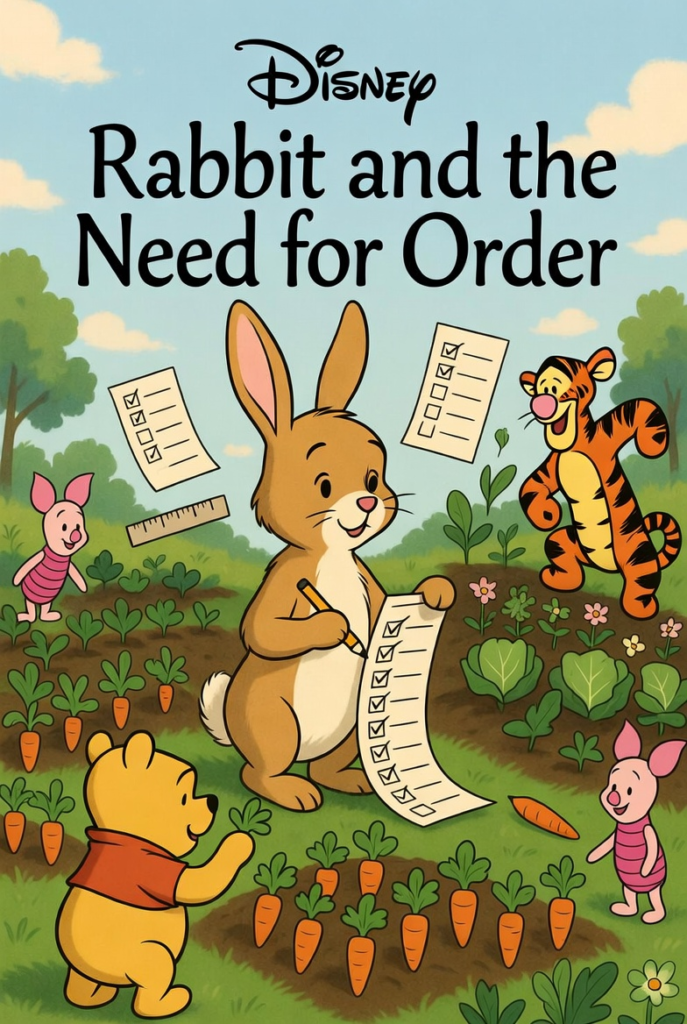
Rabbit loves rules. He wants his garden to be perfect. In our look at “the mental disorders of winnie the pooh characters,” Rabbit represents the need for control. Some call this Obsessive-Compulsive Disorder. He gets upset when things change. But he also shows us how much he cares for his friends by wanting to keep them safe.
Owl and His Wise but Forgetful Nature
Owl loves to talk and tell stories. Some people think he has dyslexia because he misspells words. They also think he acts a bit narcissistic sometimes. When we study “the mental disorders of winnie the pooh characters,” Owl reminds us that everyone has flaws. Even the smartest person in the woods can make mistakes or forget things.
Roo and Kanga: A Family Dynamic
Kanga is a very protective mother. Some say she has social anxiety. Roo is her curious son. He is always ready for an adventure. When we talk about “the mental disorders of winnie the pooh characters,” we see how parents and kids grow together. Their bond is a great example of love in the Hundred Acre Wood.
Why Do We Use These Characters as Metaphors?
Why do we keep talking about “the mental disorders of winnie the pooh characters”? It is because these stories help us understand real life. We all have days where we feel like Eeyore or act like Tigger. Using “the mental disorders of winnie the pooh characters” as a lens makes these big feelings feel smaller and easier to handle.
The Importance of Professional Help
While it is fun to chat about “the mental disorders of winnie the pooh characters,” please remember: this is not science. If you feel sad, anxious, or like you cannot focus, please talk to a real doctor. Experts can help you feel better. Stories are great, but real-life help is very important for your health and happiness.
Finding Joy in the Hundred Acre Wood
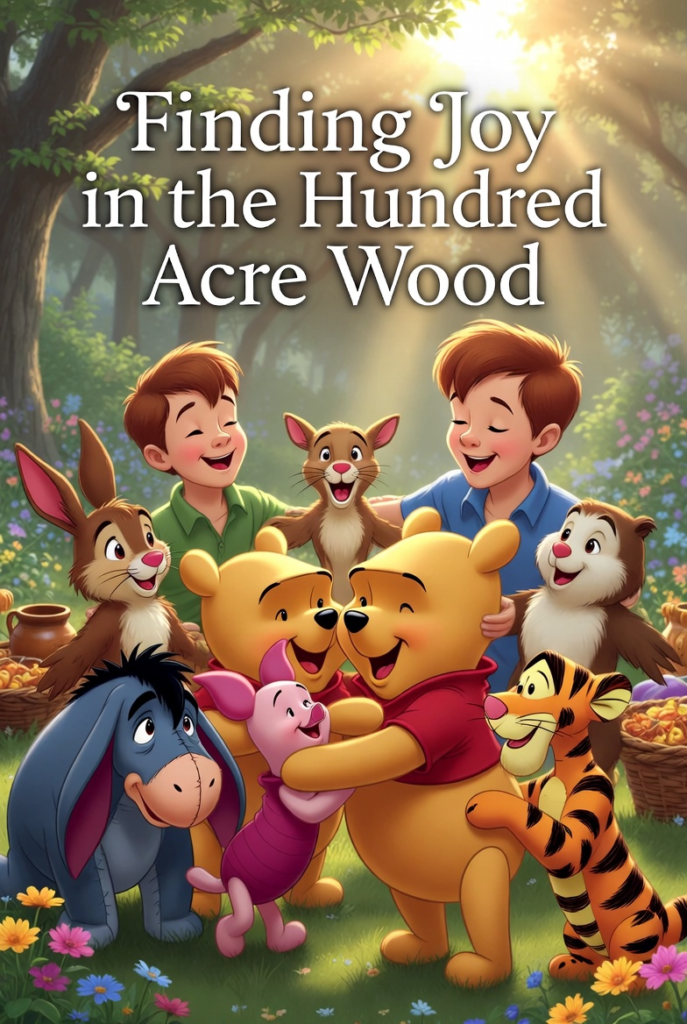
At the end of the day, “the mental disorders of winnie the pooh characters” is just a conversation starter. The main point of the stories is kindness. Pooh, Piglet, and the others love each other. They accept everyone as they are. That is a great lesson for all of us to learn.
Summary Table of Traits
| Character | Often Linked To | Personality Trait |
| Winnie the Pooh | Inattentive ADHD | Forgetful, loves honey |
| Piglet | Anxiety Disorder | Shy, worried, timid |
| Eeyore | Major Depression | Gloomy, low energy |
| Tigger | Hyperactivity | Energetic, impulsive |
| Rabbit | OCD | Perfectionist, orderly |
| Owl | Dyslexia | Smart but forgetful |
Frequently Asked Questions
1. Are the characters actually diagnosed with mental disorders?
No, they are fictional characters from a children’s book. These are just fan theories.
2. Why do people link them to these disorders?
People use the characters as metaphors to discuss complex human emotions in a simpler way.
3. Is it harmful to analyze these characters this way?
Not if you remember that it is just for fun and not a medical diagnosis for real people.
4. Did A.A. Milne intend this?
No, he wrote the stories to bring joy and tell tales of friendship and imagination.
5. How can I learn more about real mental health?
Talk to a healthcare professional or visit trusted mental health websites like Rethink or NAMI.
6. What is the most important lesson from the stories?
The importance of kindness, friendship, and accepting others even with their quirks.
Conclusion
Exploring “the mental disorders of winnie the pooh characters” can be a very eye-opening experience. It teaches us about empathy. It shows us that everyone has struggles, but we are never truly alone. If you enjoyed this journey into the Hundred Acre Wood, tell us in the comments! Which character do you relate to the most, and why? Let’s keep the conversation going with kindness!