
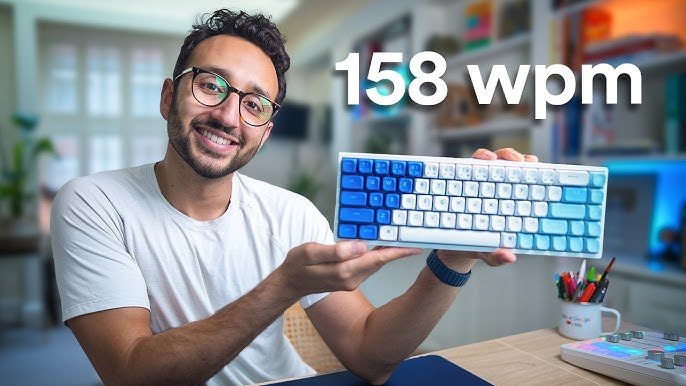

Typing com is a popular search term for people looking to improve their keyboard skills. Many learners want to type faster, make fewer mistakes, and feel more confident while using a computer. A good typing practice platform can make this process easier. It can provide lessons, exercises, tests, and progress tracking in one place. These tools are useful for students, workers, beginners, and anyone who spends time online. The key is regular practice rather than trying to become fast overnight. Even ten minutes of focused practice can help build better habits. In this guide, we will explore typing practice, typing speed, accuracy, keyboard lessons, and useful learning methods. We will also explain what beginners should look for in a typing website. The goal is simple: help you understand the topic and choose a practice method that fits your needs.
What Is Typing com?
Typing com refers to a typing-focused online learning resource commonly associated with typing lessons and keyboard practice. It is designed to help users develop touch-typing skills through structured exercises. Beginners can learn where their fingers should rest on the keyboard. More experienced users can work on speed and accuracy. The basic idea is easy to understand. You practice common letters, words, sentences, and typing patterns. With repetition, your fingers begin to remember key positions. This reduces the need to look down at the keyboard. Typing practice is useful because keyboard skills affect many daily computer tasks. Writing emails becomes easier. School assignments can take less time. Office work may also feel more comfortable. However, speed should not be the only goal. Accurate typing is usually more valuable than typing quickly with many errors.


Why Typing Skills Matter
Typing is an important computer skill for many people. Students use keyboards for homework, research, and online learning. Employees type reports, emails, notes, and documents. Writers may spend several hours typing every day. Strong keyboard skills can make these tasks smoother. Typing com can be part of a wider typing improvement routine. Good typing is not only about speed. It also involves posture, finger placement, rhythm, and accuracy. A person typing 70 words per minute with many mistakes may need more practice. Someone typing 50 words per minute accurately may be more productive. This is why beginners should build a strong foundation first. Once the correct movements become familiar, speed can grow naturally. Regular practice also reduces the habit of hunting for individual keys. That can make computer use feel less tiring and more natural over time.
How Online Typing Practice Works
Online typing practice usually follows a simple learning pattern. A lesson introduces a small set of keys or typing skills. The learner then practices those keys through short exercises. Later lessons add more letters, words, numbers, and punctuation. Typing com can support this type of step-by-step learning approach. Beginners should avoid rushing through lessons. It is better to understand each finger position first. Accuracy should remain the main target during early practice. Many typing exercises also use repeated words and sentences. This repetition helps create muscle memory. Muscle memory means your fingers learn movements through repeated action. You eventually press many keys without consciously thinking about them. Short practice sessions can work well. Ten to fifteen minutes each day may be easier to maintain than one long weekly session.
Typing Speed and Words Per Minute
Typing speed is often measured in words per minute, or WPM. This measurement estimates how many words someone can type during a set period. A typing test may also consider errors when calculating a final score. New learners should not worry about reaching a specific number immediately. Everyone starts at a different level. Some people may type slowly because they have never learned touch typing. Others may already have years of keyboard experience. Typing com searches often come from people who want to test or improve their WPM. A useful approach is to record your starting speed. Then practice regularly and test again later. Progress becomes easier to notice when you compare results over several weeks. Remember that accuracy matters. A steady typing rhythm with fewer mistakes can be more useful than a very high speed.
The Importance of Typing Accuracy
Accuracy is one of the most important parts of typing. A single mistake can change a word or create confusion. Frequent errors also force you to stop and correct your work. This can reduce overall productivity. Typing com can be used as part of an accuracy-focused practice routine. Try to slow down when your error rate becomes high. Focus on pressing the correct key rather than chasing a speed record. Look at the text you are copying. Keep your eyes on the screen whenever possible. This helps you notice mistakes quickly. Over time, your fingers can become more reliable. Another useful habit is avoiding unnecessary backspacing. First, build controlled movements. Then increase your pace little by little. Accuracy often improves naturally when you stop making rushed movements.
Learning Touch Typing
Touch typing means typing without constantly looking at the keyboard. Each finger is responsible for specific keys. The hands begin from a home position. On a standard keyboard, the home-row keys help guide your fingers. The small raised marks on some keyboards can help you find the correct position. Typing com can support learners who want to develop this skill. At first, touch typing may feel slower than your normal method. That is completely normal. Your brain is learning new movements. Avoid returning to old habits whenever practice becomes difficult. Give yourself time to adjust. Start with simple letter combinations. Then move toward words and sentences. Eventually, you may notice that your fingers move more automatically. That is a sign that your practice is building useful muscle memory.
A Simple Daily Typing Routine
A simple routine can make typing practice easier to follow. Start with five minutes of basic warm-up exercises. Focus on correct finger placement. Next, spend five minutes typing words or short sentences. Keep your speed comfortable during this stage. Finish with a short typing test. Record your speed and accuracy if the platform provides those results. Typing com can fit into this kind of daily routine. You do not need to practice for hours. Consistency is more important than long sessions. Try practicing at the same time each day. This can help turn typing into a regular habit. If your hands feel tired, take a break. Relax your shoulders and keep your wrists comfortable. Good habits matter because poor posture can make longer typing sessions uncomfortable.
Tips for Beginners
Beginners often make the same few mistakes. They look at the keyboard too much. They focus only on speed. They use the same finger for many keys. They also rush through lessons. A better method is to learn slowly and carefully. Keep your fingers near the home row. Use the recommended finger for each key. Watch the screen instead of staring at your hands. When you make an error, notice what caused it. Then repeat the difficult key or word. Typing com can be useful when combined with these habits. You should also keep your practice sessions short at first. Five or ten focused minutes can be enough. As your comfort grows, increase the session length. Small improvements can become significant when repeated every day.
Typing Practice for Students
Students can benefit greatly from better typing skills. Many school tasks now involve computers. Students may need to write essays, complete online assignments, or take digital tests. Faster typing can help them spend more time thinking about their ideas. Accuracy is especially important when writing schoolwork. Typing com can be included in a student’s regular computer practice. Parents and teachers can also encourage short typing sessions. Practice should feel like skill building rather than punishment. Simple goals can keep students motivated. For example, a learner could aim to reduce errors during one week. The following week could focus on improving speed. Celebrating small improvements can make practice more enjoyable. Students should also learn good keyboard posture. These habits can help them feel more comfortable during longer computer sessions.
Typing Practice for Work
Keyboard skills can also help people in the workplace. Office workers often spend much of their day writing messages and documents. Customer service workers may enter information into computer systems. Administrative staff may handle spreadsheets and reports. Better typing can reduce time spent searching for keys. Typing com may be useful for workers who want to refresh their keyboard skills. However, typing speed is only one part of workplace productivity. Good organization and careful writing matter too. Workers should focus on accurate text and clear communication. If you type quickly but need constant corrections, the benefit becomes smaller. A balanced approach works best. Practice typing common words and phrases used in your daily tasks. This can make your training more relevant to real work.
How to Improve Your WPM
Improving WPM takes time and repetition. Start by finding your current typing speed. Then identify your common mistakes. Maybe you struggle with certain letters. Perhaps punctuation slows you down. Focus your practice on those weak areas. Typing com can be included in a training plan that targets these problems. Avoid trying to double your speed in a few days. Instead, set small goals. You might aim for a few additional accurate words per minute. Once that becomes comfortable, set another goal. Keep accuracy above speed during practice. Your speed may increase as your fingers become more familiar with the keyboard. Taking regular breaks is also important. Tired hands can lead to more mistakes. A calm and steady rhythm often produces better long-term results.
Common Typing Mistakes to Avoid
Many learners make mistakes because they rush. They may press keys with the wrong fingers. They may also look down after every few words. Another common problem is practicing only easy words. This creates comfort but does not improve weak areas. Typing com users can benefit from varied exercises that challenge different parts of the keyboard. Do not ignore punctuation and numbers. These skills can matter in real-world typing. Another mistake is comparing yourself with advanced typists. Everyone has a different starting point. Compare your current results with your previous results instead. This makes progress easier to see. Finally, do not practice while sitting in an uncomfortable position. Good posture supports longer sessions and better concentration.
Choosing a Good Typing Practice Website
A useful typing website should be easy to understand. Lessons should have clear instructions. Practice activities should match your skill level. Progress tracking can also be helpful. Beginners may want guided lessons. Advanced users may prefer typing tests and challenging exercises. Typing com is one search term people may use when looking for this type of resource. Before choosing any platform, check what features it offers. Look for lessons, practice tests, accuracy tracking, and useful feedback. A clean interface can also make learning easier. Avoid platforms that make unrealistic promises about instant results. Typing is a skill. Skills improve through practice. The best resource is one you can use consistently and understand easily.
Does Typing Practice Really Work?
Yes, regular typing practice can improve keyboard skills. The main reason is repetition. Your brain becomes more familiar with key locations and finger movements. This can make typing feel more automatic. Typing com can be useful when practice is structured and consistent. However, simply completing random typing tests may not be enough. You need to understand your mistakes. If one hand is slower, give that area more attention. If punctuation causes problems, include punctuation exercises. Progress may also happen in stages. You might improve quickly at first. Then progress may slow for a while. This is normal. Continue practicing without becoming frustrated. Even small gains can build stronger skills over time. The most important factor is consistency.
Frequently Asked Questions
1. What is typing com used for?
Typing com is commonly associated with online typing practice and keyboard skill development. Users may search for it when they want typing lessons, exercises, or tests. These resources can help beginners learn finger placement. They can also help experienced typists improve speed and accuracy. The best results usually come from regular practice. Instead of chasing a high score, focus on building reliable typing habits. Accurate typing should come before maximum speed.
2. Can beginners use typing com?
Yes, beginners can use typing practice resources to learn basic keyboard skills. New learners should start with finger placement and simple exercises. They should not worry about typing quickly at first. Learning the correct movements is more important. With regular practice, beginners can gradually become more comfortable. Short daily sessions can also make the learning process easier.
3. How can I increase my typing speed?
Start by improving accuracy and finger placement. Practice regularly and avoid looking at the keyboard. Work on keys that cause frequent mistakes. You can then increase your speed gradually. A typing test can help you measure progress. Try to compare your results over several weeks rather than one session.
4. What is a good typing speed?
There is no single speed that is perfect for everyone. A good speed depends on your work or learning needs. Beginners may type much more slowly than experienced users. Accuracy is also important. A moderate speed with very few errors can be more useful than a fast but inaccurate score.
5. How long should I practice typing each day?
Ten to fifteen minutes can be a good starting point. Beginners can even start with five minutes. The main goal is consistency. Daily practice gives your fingers repeated exposure to keyboard movements. If you feel tired, take a break. Longer sessions are not always better.
6. Should I focus on speed or accuracy?
Focus on accuracy first. Correct typing builds a strong foundation for later speed improvements. If you rush, you may develop poor habits and make more mistakes. Once your accuracy becomes steady, slowly increase your typing speed. This balanced approach can produce better long-term results.
Conclusion
Typing com is a useful search term for anyone interested in improving keyboard skills. Good typing is valuable for students, workers, writers, and everyday computer users. The best approach is simple. Practice regularly, use proper finger placement, and focus on accuracy before speed. Short sessions can produce strong results when you stay consistent. Track your progress and work on your weakest areas. Do not worry if improvement feels slow at first. Typing is a learned skill, and every practice session can build better habits. With patience and steady effort, you can become faster, more accurate, and more confident at the keyboard.