
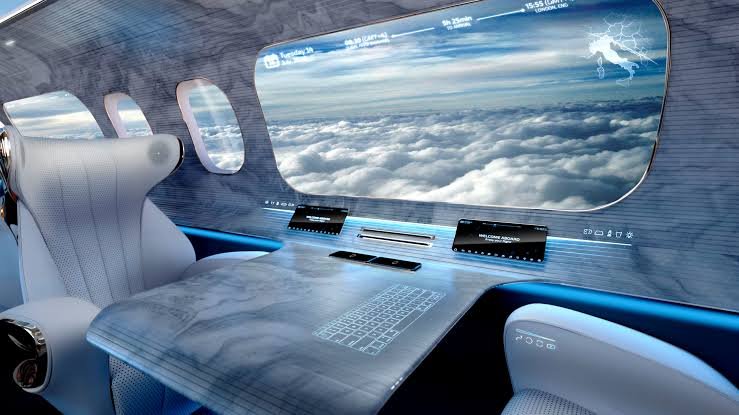

The commercial aviation industry has entered a transformative era where the physical environment inside the aircraft is just as critical as the journey itself. As airlines compete for passenger loyalty on long-haul and regional routes, interior designers and engineers are rethinking every square inch of the aircraft fuselage . From lightweight composite seating to dynamic mood lighting and biometric integration, the modern cabin has evolved into a sophisticated, multi-functional ecosystem .
Redefining Passenger Comfort and Spatial Efficiency
In the competitive landscape of commercial aviation, passenger expectations have shifted dramatically. Travelers no longer view a flight merely as transit; they expect an extension of their living or working space. This paradigm shift requires cabin designers to balance ergonomic seating configurations with optimized weight distribution, ensuring fuel efficiency without sacrificing personal comfort . Innovations such as single-aisle lie-flat (SALF) suites and modular galley designs have fundamentally altered how space is utilized across both wide-body and narrow-body aircraft .


For aviation professionals, designers, and enthusiasts seeking an authoritative guide on these structural and aesthetic advancements, resources like JETLINER CABINS offer comprehensive insights into historical evolutions and cutting-edge retrofit strategies . These detailed analyses highlight how airlines continuously adapt their fleets to meet rising standards of luxury and operational efficiency .
Technological Integration and Smart Cabin Ecosystems
Technology plays a pivotal role in shaping the contemporary flying experience. Modern aircraft interiors are increasingly equipped with connected cabin platforms that sync passenger devices with seatback displays, ambient lighting controls, and personalized entertainment libraries . Furthermore, artificial intelligence and IoT sensors are being deployed to monitor cabin conditions in real time—adjusting temperature, humidity, and lighting cycles to minimize jet lag and enhance overall well-being .
| Cabin Innovation Area | Key Technological Focus | Primary Passenger Benefit |
| Lighting & Ambience | Circadian LED lighting systems | Reduced fatigue and synchronized sleep cycles across time zones |
| Connectivity | High-speed satellite Wi-Fi and Bluetooth audio pairing | Seamless remote work and personal entertainment streaming |
| Ergonomics | Lightweight contour seating with adjustable lumbar support | Enhanced comfort during ultra-long-haul flights |
| Smart Integration | IoT sensors and touchless cabin controls | Improved hygiene, responsiveness, and personalized service |
To understand how these disparate technological threads weave together into cohesive commercial designs, industry analysts frequently reference airplane interior design case studies that document groundbreaking transformations across global fleets .
Sustainability and Circular Design in Aviation
Beyond aesthetics and digital connectivity, the aviation sector faces intense pressure to reduce its environmental footprint. Modern aircraft interior design is heavily influenced by circular economy principles, where materials are chosen for their recyclability, durability, and minimal weight . Airlines and manufacturers are replacing traditional plastics with bio-composites, recycled ocean-bound materials, and lightweight natural fibers. These eco-friendly cabin elements not only reduce aircraft fuel burn and carbon emissions but also provide a clean, modern aesthetic that resonates with environmentally conscious travelers .
Conclusion
The future of commercial flight relies heavily on the continuous reinvention of the cabin environment. By harmonizing ergonomic excellence, smart digital connectivity, and sustainable material science, modern airlines are redefining what it means to travel . As new retrofit programs and clean-sheet aircraft designs enter service, platforms such as jetlinercabins.com remain invaluable repositories for tracking the ongoing evolution of passenger experience and interior architecture .